Heavy-Duty Industrial Cleaning

Industrial Cleaning for Oakland Workplaces

Oakland industrial cleaning begins with a clear review of the facility, requested areas, operating conditions, and customer procedures. The review plans accessible areas, tasks, timing, and safety boundaries before service begins.

Planning an Industrial Cleaning Service plan

An industrial cleaning service plan starts with the areas the facility wants addressed. Planned work can cover accessible warehouse floors, loading-area surroundings, offices, employee spaces, and waste points. Planned work can cover common areas. Production areas, cleanrooms, and equipment surfaces receive a separate review of access and operating state. The review also addresses products, safety rules, and facility procedures. Routine service excludes equipment operation, maintenance, repair, confined-space work, and hazardous material handling. Routine service excludes unconfirmed regulated sanitation.

What General Industrial Cleaning Can Include

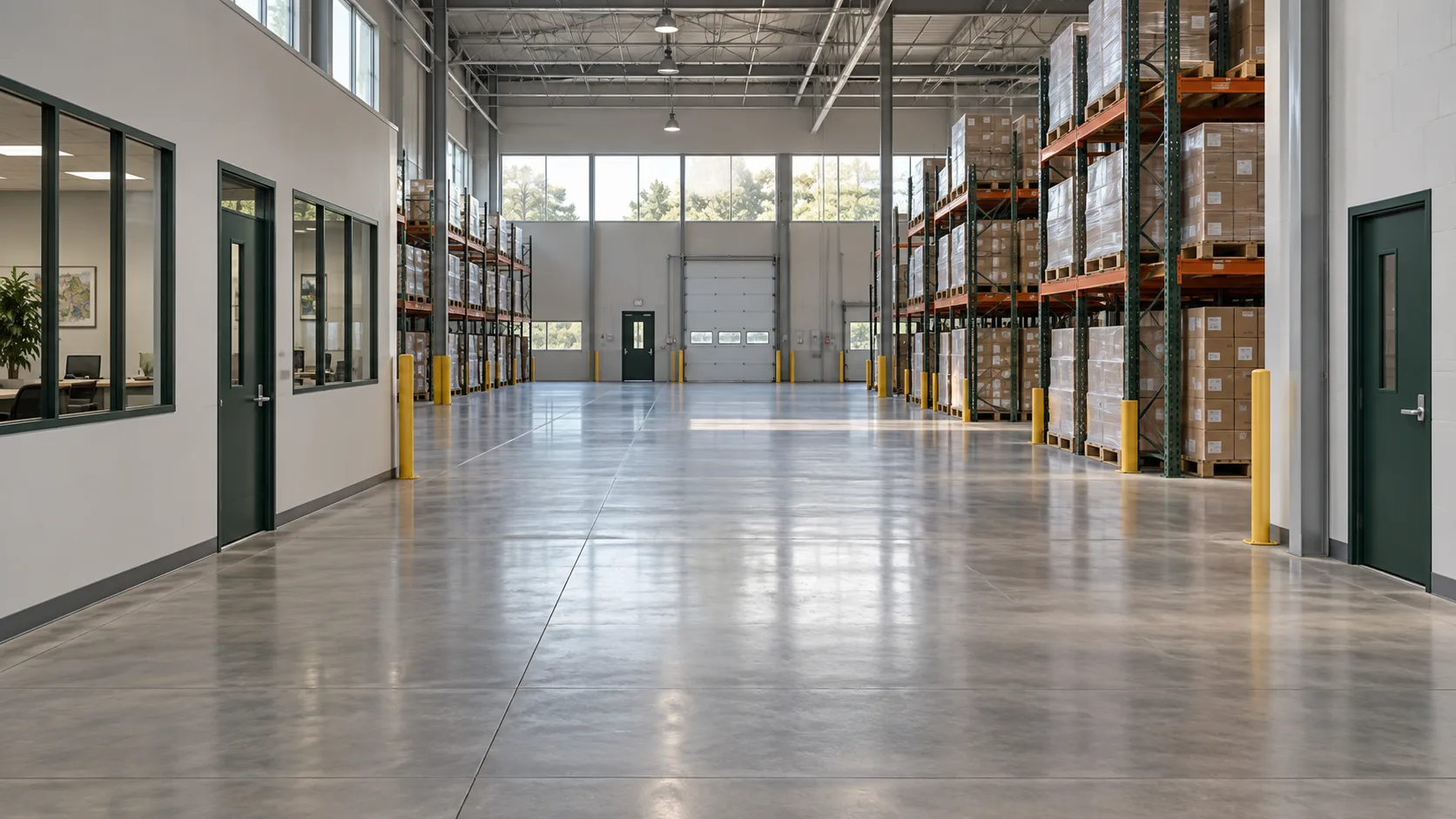
General industrial cleaning addresses accessible areas where routine cleaning methods fit the setting. Included floor care can involve sweeping, vacuuming, or mopping. Routine cleaning may cover accessible loading-area entries and transition spaces. Offices, restrooms, breakrooms, and corridors may also be included. Interior glass and designated waste points can be included.

Reviewing Production and Equipment Areas

Before work is proposed, the review documents requested tasks, site conditions, access, and restricted zones. Production and assembly work depends on planned operating conditions and customer-planned procedures. Equipment cleaning requires an planned scope covering the specific equipment, accessible surfaces, shutdown status, guards, and sensitive components. The scope also plans planned products, waste handling, and handoff responsibilities. Food-contact surfaces, production line sanitation, and cleanroom work require separately established site controls.

Cleaning Support Around Active Operations

Cleaning is scheduled around planned access and the planned operating or shutdown state. The scope identifies available work areas, restricted zones, facility contacts, sequencing, and handoff steps. Work near active operations stays within the planned cleaning boundary and follows the customer's access and safety procedures.

Industrial Facilities We Serve

Industrial cleaning can support warehouses, distribution facilities, and light industrial workplaces. A facility-specific plan can combine accessible warehouse areas with administrative offices, dock offices, employee rooms, entries, and shared spaces. This approach keeps everyday facility care distinct from separately reviewed production, cleanroom, sanitation, and equipment tasks.

Planning Industrial Cleaning in Oakland

For an industrial cleaning review in Oakland, provide the facility type, requested spaces, access conditions, and preferred timing. The review plans the applicable tasks and site boundaries for the proposed service.

Industrial Cleaning

Defining an Industrial Cleaning Scope

Industrial cleaning can cover agreed warehouse floors, loading-area surroundings, offices, employee areas, waste points, and common spaces. Production areas, cleanrooms, and equipment surfaces require a separate review of operating state, access, safety rules, and facility procedures. Equipment operation, repair, hazardous-material work, confined spaces, and regulated sanitation remain outside the routine scope.

Which Oakland warehouse and industrial areas can be included in an agreed cleaning scope?

Accessible floors, loading-area surroundings, offices, employee areas, waste points, common areas, and other agreed spaces may be considered after a site-specific review.

How are manufacturing production and assembly areas evaluated before cleaning is proposed?

The review should define access, operating state, safety boundaries, soil conditions, occupancy, and customer-approved procedures before work is proposed.

What must be confirmed before industrial or production-equipment surfaces are cleaned?

The parties must identify accessible surfaces, equipment condition, operating state, access restrictions, safety responsibilities, and the approved cleaning procedure.

How does routine warehouse cleaning differ from food-processing sanitation or cleanroom work?

Routine warehouse cleaning addresses agreed facility areas. Food-contact sanitation, production-line sanitation, and cleanroom work require separately defined procedures and applicable customer controls.

Which access, operating-state, shutdown, safety, and customer-protocol details affect an industrial cleaning proposal?

Relevant details include requested areas, access, operating or shutdown state, safety boundaries, soil, ventilation, occupancy, restricted zones, and customer protocols.

Common Questions

Industrial Cleaning FAQ

What areas can general industrial cleaning cover?
Service can cover accessible warehouse floors, loading-area surroundings, offices, entries, restrooms, breakrooms, interior glass, waste points, and shared employee areas.
Do you clean active machinery or production equipment?
No. General industrial cleaning does not include active machinery, production equipment, hazardous materials, or regulated remediation work.
Can cleaning take place around facility operations?
Yes. Service timing can be arranged around authorized access, shifts, and the areas available for routine cleaning.
Is industrial cleaning different from office cleaning?
General industrial cleaning addresses accessible warehouse and light-industrial areas, while office cleaning focuses on administrative and customer-facing rooms. A facility may need both.
How do I request an industrial cleaning quote?
Use the quote form and provide the facility type, accessible areas, floor types, preferred timing, and any restricted zones.
Scroll to Top